
How to Stand Out in Competitive Job Markets: Tips for Professionals

Updated: Oct 4

When many qualified people apply for the same role, it can be tempting to send more applications, buy another course, or make your resume look unusual. A more useful starting point is to make your fit easy to understand: which problems can you help solve, and what evidence supports that claim?
You cannot control the number of applicants or every hiring decision. You can improve the clarity of your applications, choose opportunities thoughtfully, and use feedback to adjust your approach.
Choose a clear target before increasing your activity
Identify one or two role types that match your skills and constraints. Compare several job descriptions for recurring responsibilities and requirements. Separate essential qualifications from preferences, and note the gaps that would materially affect your ability to do the work.
For example, an operations coordinator targeting project coordination could look for evidence of scheduling, tracking dependencies, and communicating progress. That is a more useful focus than applying to every role with “manager” in the title.
Show relevant contributions on your resume
Choose accomplishments that connect to the employer’s needs. Replace broad descriptions such as “helped the team” with the work you did, the problem it addressed, and the outcome. Include numbers when you have reliable figures, but do not invent them to make every bullet sound impressive.
A hypothetical improvement: “Created a shared deadline tracker and introduced weekly status checks so the team could identify overdue work sooner.” The example shows a useful contribution even without a dramatic percentage.
Keep the layout readable and the facts consistent with your profile. Our guide to tailoring your resume explains how to select evidence for a specific opening without rewriting your entire career history.
Use a work sample when it helps explain your skills
A portfolio can help in some fields, but everyone does not need a personal website. Choose a sample that demonstrates a relevant skill: a design, a writing example, a project summary, or a small analysis using public or invented data.
Explain the brief, your contribution, and the decisions you made. Share only material you have permission to use. If the employer requests an exercise, understand its scope and purpose before spending substantial time on it.
Build professional relationships with a specific purpose
Reach out to former colleagues, alumni, or people working in your target function. Ask a focused question about the work or transition. A message that gives someone an easy way to help is more useful than a request to “find me anything.”
For instance: “I’m moving from customer support toward customer success. Which part of your first customer success role required the biggest adjustment?” Use the answer to understand the role, not just to turn the conversation immediately into a referral request.
If a contact offers to refer you, give them the exact role and a concise explanation of your fit. Follow the employer’s application process. A referral can provide context, but it does not guarantee an interview or an offer.
Invest in a skill gap you can name
Before signing up for training, identify the gap it addresses. Is a tool repeatedly required in your target jobs? Can you practice it on a project and explain what you learned? Is a certification genuinely requested for the role?
A focused project can sometimes provide more useful evidence than a collection of unrelated certificates. Keep the investment proportionate to the role and your resources. Do not assume an expensive course will solve a broad job-search problem.
Prepare interview stories that show how you work
Choose examples of solving a problem, handling a disagreement, learning quickly, and taking responsibility for a mistake. For each story, identify the decision you made and the result you can honestly claim.
The STAR method helps organize the facts. Practice follow-up questions too: why did you choose that approach, what did you do personally, and what would you change? Clear reasoning can make an ordinary project memorable.
Track your search so you know what to adjust
Keep a simple record of roles, application dates, contacts, interviews, and outcomes. Review patterns over a useful period rather than drawing conclusions from one rejection. The reason for a rejection is often unavailable, so avoid treating a guess as a diagnosis.
If relevant applications rarely lead to conversations, review the match between your evidence and the roles you target. If interviews regularly stop at the same stage, ask for feedback when appropriate and practice that part of the process. Consider whether location, experience, timing, or other constraints may also be involved.
Follow up professionally and keep moving
Send a brief thank-you after an interview when appropriate. Mention one useful part of the conversation and your interest in the work. Follow the stated timeline for later updates. A note can support a professional impression, but it cannot replace the qualifications or evidence the employer needs.
Choose a sustainable weekly routine with time for applications, conversations, preparation, and breaks. Progress is easier to assess when you are working from a plan you can actually maintain.
Ready to walk into your next interview with confidence?
The Confident Interview Method gives you a focused, one-hour way to choose stronger examples, answer difficult questions, and speak clearly without memorizing a script. Start here if you want a complete preparation process you can reuse before future interviews.

The Confident Interview Method
$29
One focused hour with 10 practical lessons you can use in your very next interview.
“After spending hours reading blogs and articles, I am so glad that I bought this. It covered what I think are the most important parts of interviewing. Thanks for making this so concise.” - Drew Whitehead
Prefer a faster, lower-cost option?
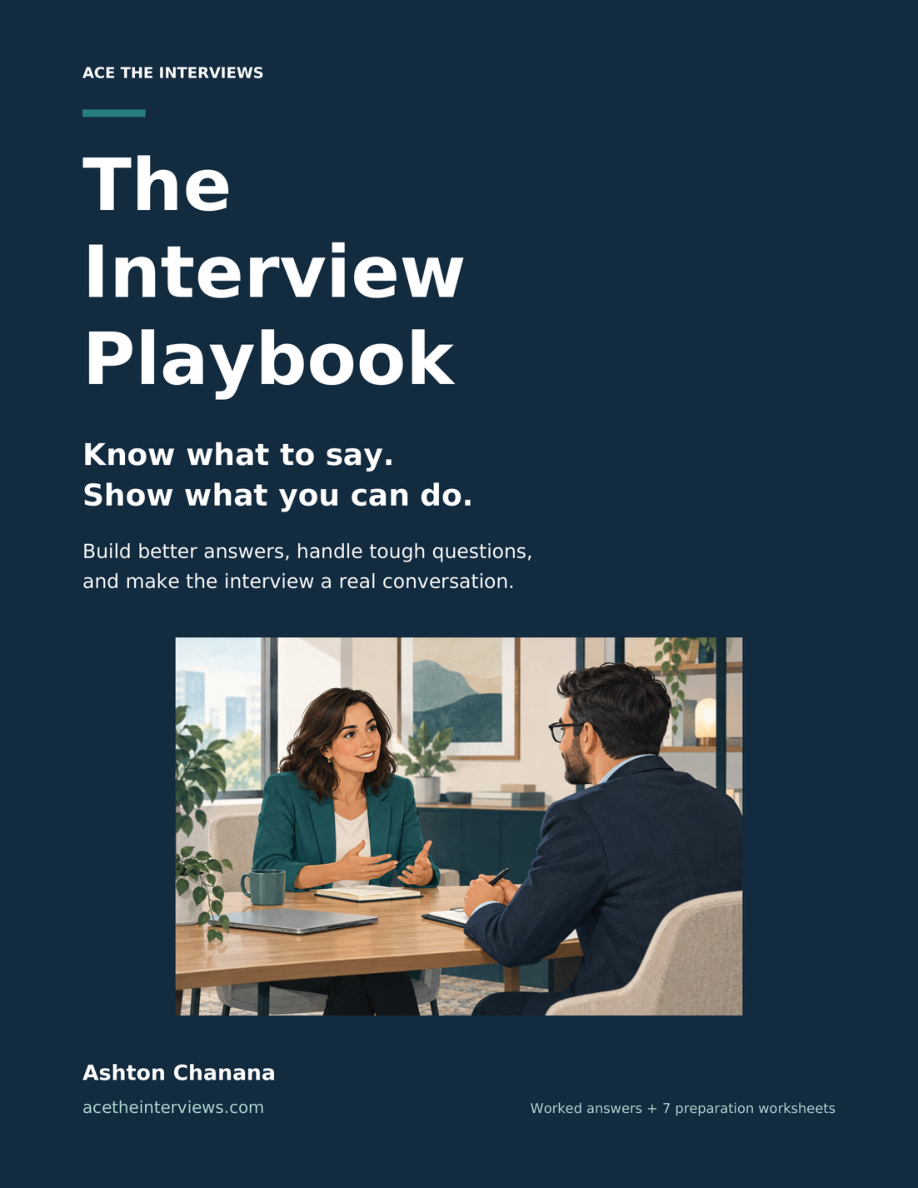
The Interview Playbook eBook gives you practical strategies for preparation, communication, body language, and interview practice that you can start using right away.
Competitive job market FAQs
Should I apply if I do not meet every listed requirement?
Assess the essential requirements carefully. You may be a reasonable candidate when some preferences are missing, but do not ignore qualifications necessary to perform the job or misrepresent your experience.
Do I need a personal website?
Only if it helps demonstrate relevant work or is expected in your field. A clear resume and an appropriate portfolio link may be enough.
How many applications should I send each week?
There is no universal number. Set a pace that allows relevant applications and follow-through, then adjust based on your circumstances and the opportunities available.
Does standing out mean being unusual?
Usually, it means making your relevance clear. A gimmick is less useful than a specific example of work the employer needs.



Comments