
How to Tailor Your Resume for Specific Job Roles

Updated: Oct 3

Tailoring your resume means making the connection between your experience and a particular job easy to see. You do not need to reinvent your work history. You need to choose the most relevant evidence, describe it clearly, and remove details that distract from it.
Keep a master resume with your complete work history and achievements. Make a separate copy for each application, then use the job description to decide what deserves the most attention. The facts should stay consistent across every version.
1. Identify the employer’s main priorities
Read the posting twice. On the first pass, understand the role. On the second, mark the responsibilities, required qualifications, tools, and problems the employer needs someone to solve. Separate essential requirements from preferences so you can judge your fit honestly.
For a sales role, the priorities might be prospecting, account retention, or a particular customer segment. For marketing, they might be campaign execution, analysis, or working with sales. A shared job title does not mean two employers want the same thing.
2. Match each priority to real evidence
Create a simple working note: requirement, relevant experience, and an example you can explain. Include paid work, projects, volunteering, or coursework when they demonstrate the requested skill. If you have no evidence for a requirement, do not add it just because it appears in the posting.
In my sales and leadership experience, a clear explanation of someone’s contribution is more useful than a long list of positive adjectives. A resume should help the reader understand what you actually did and what happened as a result.
3. Rewrite the opening summary around the role
If you use a summary, make it specific and brief. State the kind of work you do, the relevant experience you bring, and one or two strengths supported by the rest of the document. Avoid claims such as “perfect candidate” or “exceptional communicator” without evidence.
A hypothetical example: “Sales professional with experience managing small-business accounts, coordinating renewals, and documenting opportunities in a CRM.” This is useful only if it accurately describes your background. Do not borrow an impressive summary that you cannot defend in an interview.
4. Put the strongest relevant achievements first
Within each job, move the most relevant bullet toward the top. Describe an action, its context, and a result where you have one. Keep actual employer names, dates, and job titles accurate. You can explain a title’s meaning without quietly changing your seniority.
Before: “Responsible for customer accounts.” A stronger hypothetical version: “Coordinated renewal follow-up for a portfolio of small-business accounts, keeping customer commitments and next steps documented in the CRM.” If you have a verified retention figure, add the figure and its period. If you do not, the specific action still helps.
5. Use the employer’s language naturally
Use relevant terms from the posting when they describe your actual experience. For example, spell out “customer relationship management” alongside “CRM” if it helps identify your work. Name tools you have used and explain how, rather than listing every platform in the advertisement.
Avoid hidden text, repeated keyword blocks, or a skills section filled with things you have never done. Applicant tracking systems vary, and there is no universal keyword score that guarantees an interview. The document still needs to make sense to a person.
6. Check readability and the application instructions
Use clear section headings and a layout that makes your work history easy to follow. Follow the employer’s file-format instructions. Check that your name, contact information, employers, dates, and achievements remain readable after exporting the file.
Before you submit, compare the final resume with the posting and your application form. Make sure dates and job titles agree, remove another employer’s name, and save the version you sent. Read each bullet aloud: could you explain it comfortably if an interviewer asked for details?
For the next step, review how to check an ATS-friendly resume. Once you receive an interview invitation, turn your strongest achievements into examples using the STAR method.
Ready to walk into your next interview with confidence?
The Confident Interview Method gives you a focused, one-hour way to choose stronger examples, answer difficult questions, and speak clearly without memorizing a script. Start here if you want a complete preparation process you can reuse before future interviews.

The Confident Interview Method
$29
One focused hour with 10 practical lessons you can use in your very next interview.
“After spending hours reading blogs and articles, I am so glad that I bought this. It covered what I think are the most important parts of interviewing. Thanks for making this so concise.” - Drew Whitehead
Prefer a faster, lower-cost option?
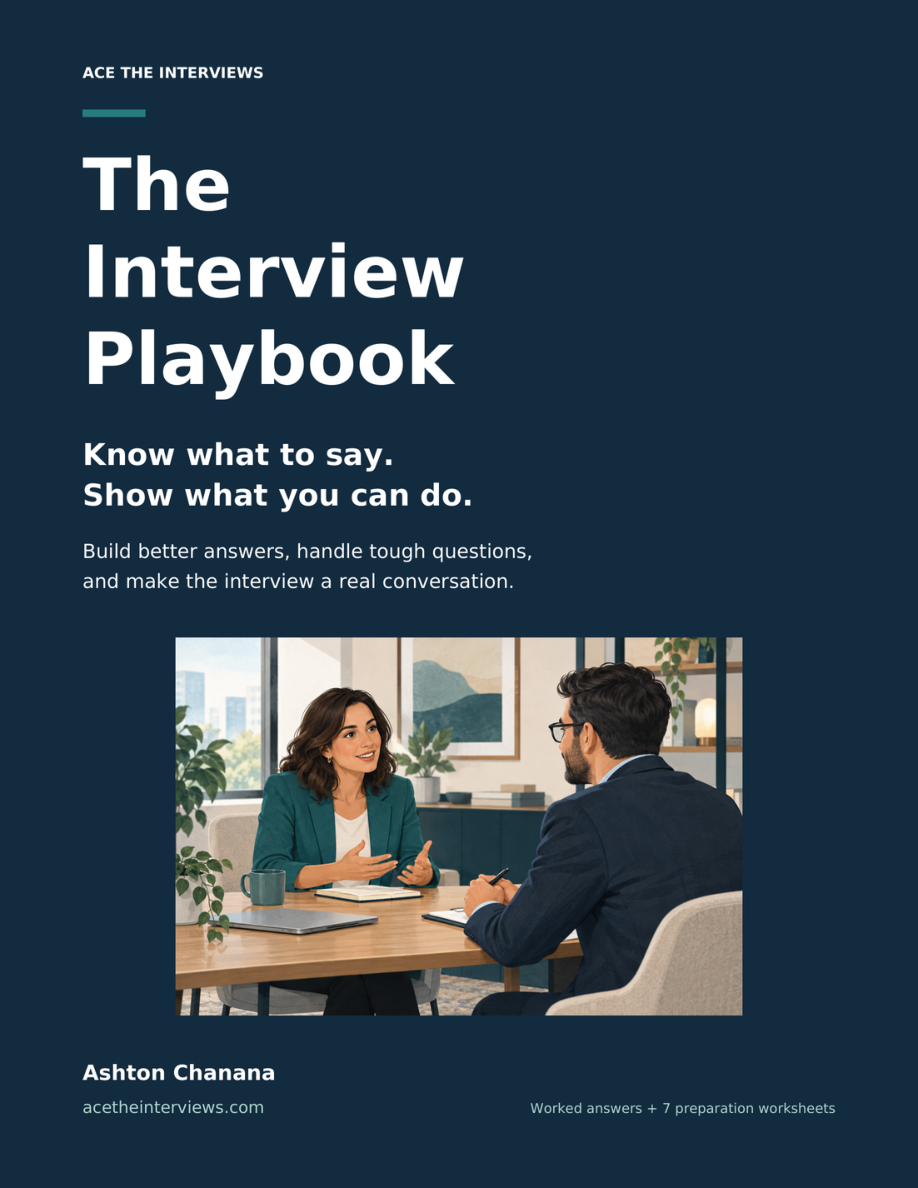
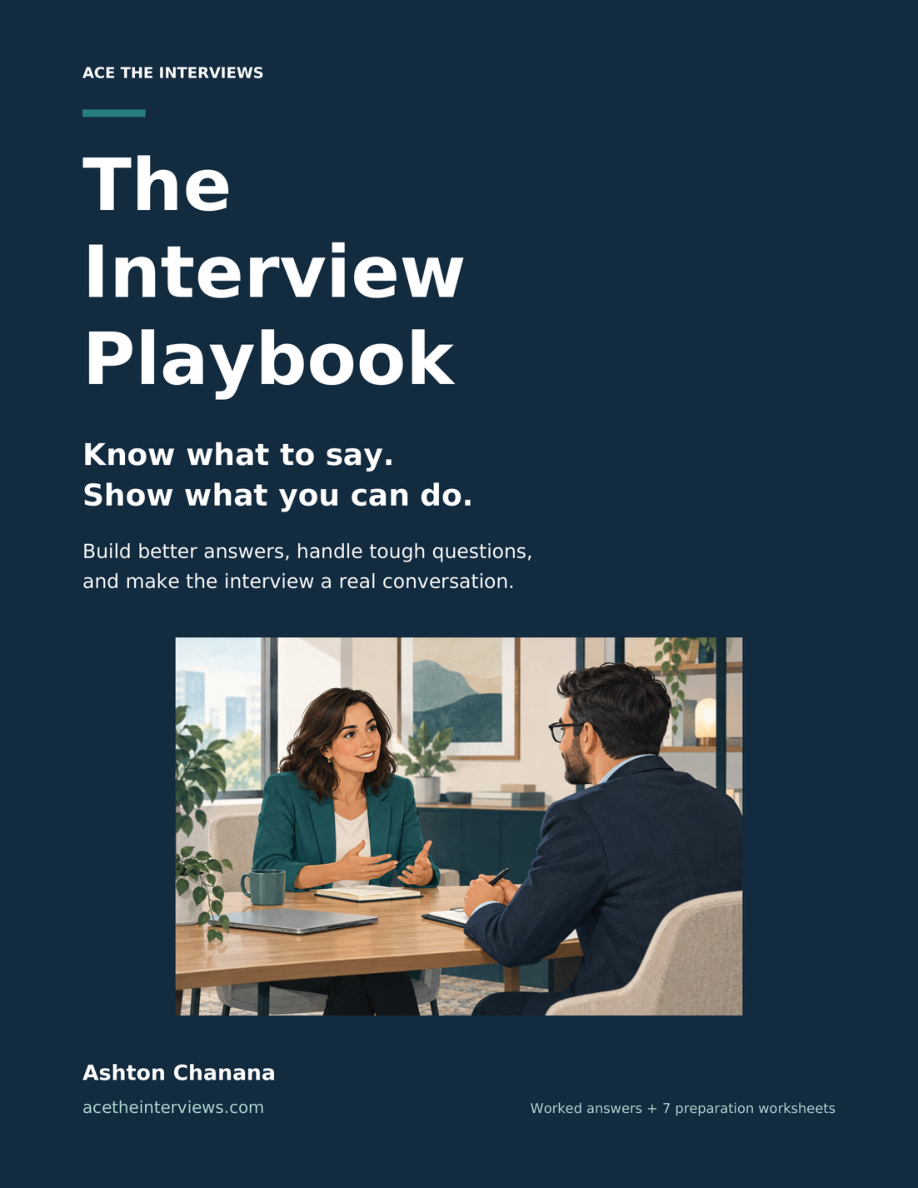
The Interview Playbook eBook gives you practical strategies for preparation, communication, body language, and interview practice that you can start using right away.
Frequently asked questions
Do I need a completely different resume for every job?
No. Start with a master version and adjust the summary, relevant skills, and order of achievements. Keep your work history and qualifications accurate.
Should I copy the job description into my resume?
No. Use relevant language naturally, but describe your own experience. Repeating the posting does not show that you can do the work.
What if I do not meet every requirement?
Distinguish essential requirements from preferences. Show relevant transferable experience, and be honest about gaps. Some roles have qualifications that cannot be replaced by enthusiasm.
Should I include a cover letter?
Follow the application instructions. When included, use it to explain your interest and the connection between your experience and the role, rather than repeating every resume bullet.



Comments